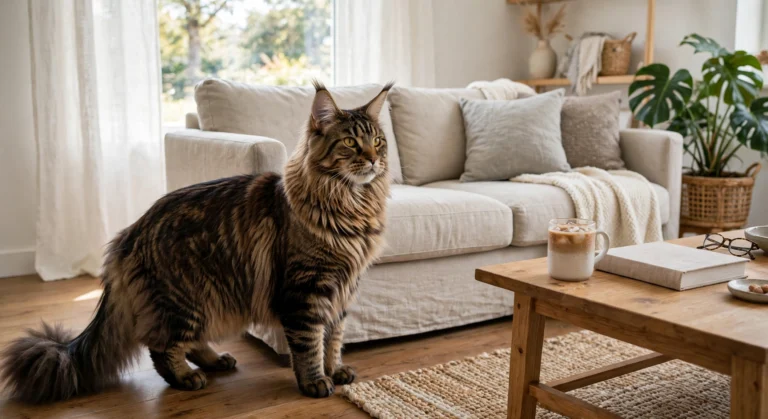
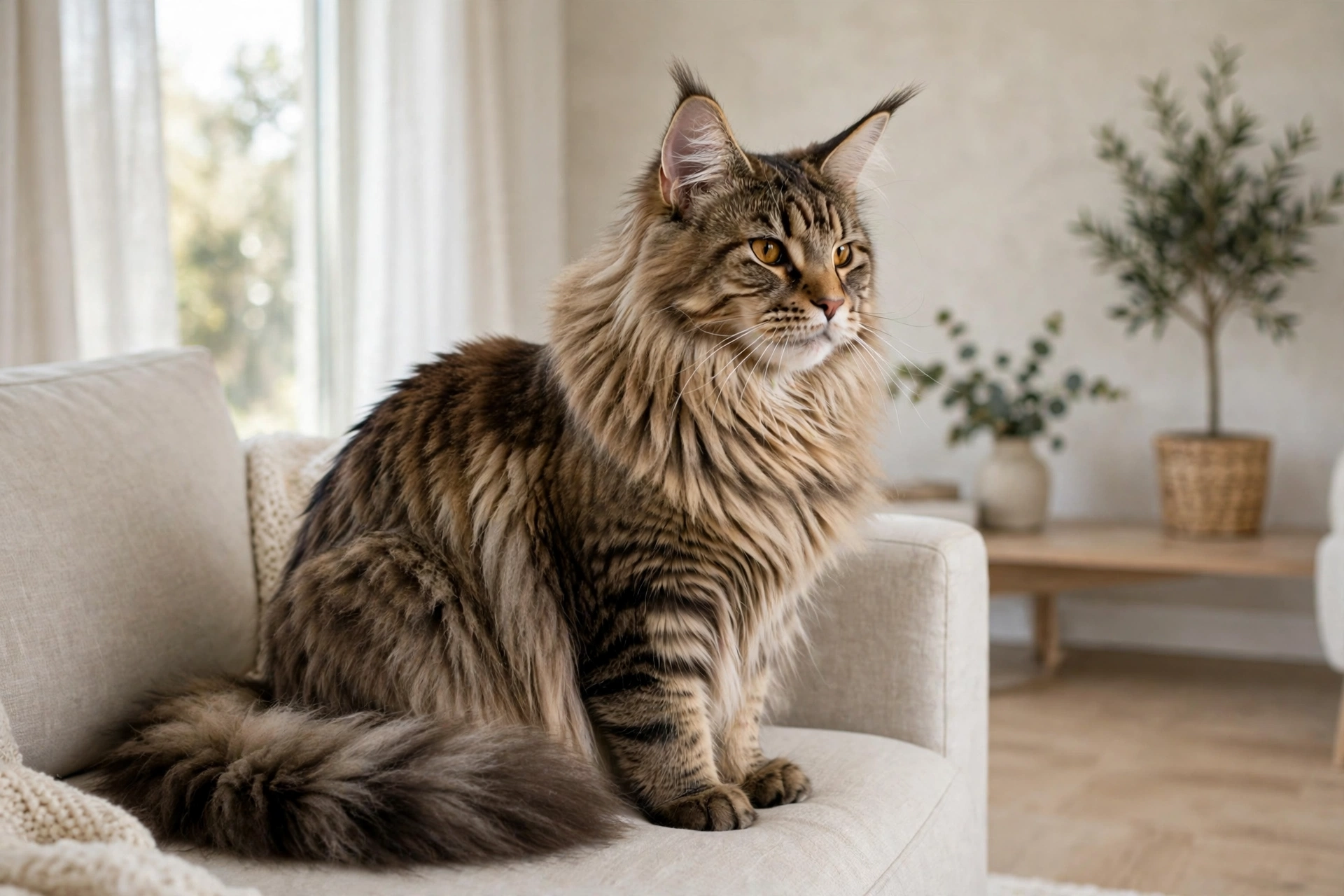
Maine Coon Price Guide
How much is a maine coon cat in real life, not just in a single advertised price? The honest answer is that it varies widely, and a single number can be misleading. A kitten from a registered breeder, an adult cat from a rescue, and a cat with full health documentation are not the same purchase, even when they are the same breed. This guide helps you compare those options fairly, ask the right questions, and plan a budget that covers more than the first payment.
Start with your goal, not with a price tag. If you want a family companion, an adult rescue cat may fit your home well. If you want a kitten from a known lineage, with health screening and early socialisation, a reputable breeder route may suit you better. Both paths can lead to a healthy, happy cat, but they involve different costs, waiting times, and responsibilities. Knowing which path you prefer will make every later comparison much easier.
Before you compare any breeder or rescue, set a total budget, not only a purchase budget. Food, litter, routine veterinary care, grooming tools, a carrier, scratching posts, and enrichment all add up over time. A lower initial price does not always mean a lower total cost, especially if health checks, vaccinations, or early care still need to be arranged. A higher initial price does not automatically guarantee a healthier cat either, so always look at what is included and documented.
How much is a maine coon cat from a breeder?
How much is a maine coon cat from a breeder depends mainly on the breeder, the region, the kitten’s age, and the level of care and documentation provided. Reputable breeders usually raise kittens in the home, provide early socialisation, keep health records, and screen parent cats where appropriate. Those steps take time and veterinary support, and that care is often reflected in the price. A breeder who can explain each step clearly is usually easier to trust than one who only talks about appearance.
Ask what the price covers before you judge whether it is fair. Some breeders include first vaccinations, a veterinary check, microchipping, registration papers, and a health guarantee for a defined period. Others charge separately for some of these items, so two prices that look different may actually be closer once everything is added together. Always request the details in writing, and keep a copy of any agreement, health record, and vaccination record you receive.
Also ask about the kitten’s parents, living conditions, and socialisation. A kitten raised around everyday household sounds, people, and gentle handling usually settles more easily into a new home. Ask whether you can visit, or at least see recent photos or video of the living environment, and whether the breeder will answer questions after you bring the kitten home. Good aftercare support is a practical benefit, not just a nice extra, especially for a first time Maine Coon owner.
How much is a maine coon cat from adoption or rescue?
How much is a maine coon cat from adoption or rescue is usually lower than a breeder price, because adoption fees are designed to cover part of the rescue’s care costs rather than to make a profit. Adoption fees commonly cover neutering or spaying, vaccinations, a veterinary check, and sometimes microchipping, but the exact inclusions vary by organisation. Always confirm what is included, what still needs to be done, and whether any follow up care is recommended after adoption.
Adoption also gives you a clearer picture of an adult cat’s size, coat, temperament, and daily habits. If you are still deciding on size and space, read our Maine Coon Size and Largest Record guide before you choose, because Maine Coons are known for their large build and long coat, and that affects grooming time, carrier size, and living space. An adult cat from a rescue may already be litter trained and used to home life, which can make the transition smoother for busy households.
Keep in mind that genuine Maine Coons in rescue are less common than mixed breed cats with some Maine Coon traits, such as a long coat or tufted ears. That does not make a mixed breed cat a poor companion, but it does matter if breed traits are important to you. Ask the rescue what is known about the cat’s background, and be cautious about any listing that claims a pure breed without documentation. A good rescue will be honest about what is known and what is not known.
What affects the price most?
Several factors influence price, and understanding them helps you spot both good value and warning signs. Breeder reputation and transparency matter most, followed by health documentation, the cat’s age, and your region. A kitten that is ready to go home, fully checked, and well socialised will usually cost more than a very young kitten offered without records. Location also matters, because veterinary costs, demand, and availability differ from place to place.
| Price factor | What it affects | What to ask or check |
|---|---|---|
| Breeder or rescue route | Overall price level and what is included | Ask for a written list of inclusions |
| Health checks and records | Confidence in early care and follow up | Ask for veterinary records and parent screening details |
| Age of the cat | Kitten care needs versus adult temperament clarity | Ask about age, socialisation, and readiness for a new home |
| Region and availability | Local demand and veterinary costs | Compare similar breeders or rescues in your area |
| Registration and papers | Proof of breed lineage where claimed | Ask what papers are provided and what they mean |
| Coat, colour, and markings | Buyer demand, not health or temperament | Do not pay extra for looks alone without health documentation |
Use this table as a comparison tool, not as a ranking of what matters most to your family. Health, temperament, and honest documentation should always come before coat colour or markings. If a seller pushes a rare colour as the main reason for a high price, but cannot provide clear health records, treat that as a warning sign and keep looking.
What is usually included, and what is not?
A clear inclusions list protects both you and the seller. At a minimum, ask whether vaccinations, a veterinary examination, parasite treatment where needed, microchipping, and registration papers are included. Also ask about a written health guarantee, what it covers, how long it lasts, and what steps you must take if a health concern appears soon after you bring the cat home. Put these answers in writing before you pay a deposit.
Some costs are rarely included, and you should budget for them separately. These may include a carrier, litter box, scratching furniture, grooming brushes for a long coat, food for the transition period, and your first routine veterinary visit in your own area. If you are moving a kitten to a new home, ask which food it is currently eating, so you can transition gradually rather than changing diet suddenly. Small planning steps like this reduce stress for the cat and for you.
For breed information from an authoritative breed body, The International Cat Association (TICA) provides breed information that can help you understand recognised Maine Coon traits and standards. Use that kind of source to check breed claims, and use your own questions to check the individual breeder or rescue. A breed standard describes the breed in general, while health records and temperament describe the actual cat in front of you.
First year costs beyond the purchase price
The purchase price is only the first part of the total cost of bringing a Maine Coon home. Routine veterinary care, food, litter, grooming, and everyday supplies continue through the first year and beyond. Maine Coons have long coats that need regular brushing, so plan time as well as money for grooming, and choose tools that suit a long, dense coat. Regular grooming also helps you notice coat changes, skin concerns, or matting early, so you can seek veterinary advice promptly.
Think about your daily routine too. Maine Coons are often social cats that enjoy interaction, play, and climbing space, so enrichment matters. Scratching posts, climbing furniture, interactive play, and quiet resting spots are practical needs, not luxuries. If you work long hours, plan how the cat will get play and company during the day, and whether another household member or a trusted sitter can help. A realistic plan for time and attention is just as important as a realistic budget.
Health is part of that first year planning, and this guide is general information only, not veterinary advice, diagnosis, or treatment. If you notice a health concern, or if you are unsure about vaccinations, diet, grooming, or any medical question, consult a veterinarian who can examine your cat and advise on your specific situation. Our vet disclaimer on the About page explains this in more detail, and it is worth reading before you rely on any general guide for a health decision.
How to compare breeders without falling for red flags
Compare breeders on transparency, not on sales pressure. A reputable breeder should welcome questions, explain health screening, show living conditions, and give you time to decide. Be cautious if a seller rushes you to pay a deposit, refuses questions about health records, cannot explain parent screening, or offers a kitten that seems too young to leave its mother. Pressure tactics and missing paperwork are stronger warning signs than a price that looks high at first glance.
Watch for listings that use stock photos, vague breed claims, or prices that seem far below other breeders in the same area without a clear reason. Scams often rely on urgency, emotional photos, and extra fees that appear after the first payment, such as sudden transport or paperwork charges. Never send payment through an untraceable method, and never agree to extra fees that were not explained in writing before you paid a deposit. If anything feels unclear, pause and seek advice from a rescue organisation or a veterinarian.
A practical comparison method is to shortlist a small number of breeders or rescues, then compare them on the same points: inclusions, health records, socialisation, living conditions, contract terms, and aftercare support. Write down the answers side by side, and choose the option that is clearest and most complete, not simply the cheapest or the most expensive. You can browse more breed guides in Cat Breed Guides to compare Maine Coons with other breeds before you commit.
Practical steps to plan your budget
Start by deciding your route: breeder kitten, breeder adult, or adoption. Then list the total costs for that route, including the purchase or adoption fee, the items included, and the items you must buy separately. Add routine veterinary care, food, litter, and grooming for the first year, and keep a small reserve for unexpected needs. A written budget makes it easier to compare options honestly, and it helps you avoid a decision driven only by an advertised price.
Next, contact your shortlisted breeders or rescues with the same set of questions. Ask about inclusions, health records, age and readiness, contract terms, and aftercare support, and keep their answers in writing. Visit where possible, or request recent photos or video of the cat and its living environment. If a breeder or rescue answers clearly and consistently, that is a good sign. If answers change, stay vague, or avoid health questions, keep looking, even if the price looks attractive.
Finally, prepare your home before the cat arrives. Set up a quiet room with food, water, a litter box, a scratching post, and a hiding place, and plan a calm first few days with gentle play and short, positive interactions. Keep the same food initially, follow any veterinary advice for
checkups and vaccinations, and give the cat time to settle at its own pace. A calm start, a clear budget, and honest documentation together give a Maine Coon the best chance to thrive in your
home.
How much is a Maine Coon cat from a breeder?
How much is a maine coon cat from a breeder varies by breeder, region, age, and what is included, such as health checks, vaccinations, registration papers, and aftercare support, so always compare written inclusions rather than a single advertised price.
How much is a Maine Coon cat from adoption or rescue?
How much is a maine coon cat from adoption or rescue is usually lower than a breeder price, because adoption fees are set to cover part of the rescue’s care costs, and they often include neutering or spaying, vaccinations, and a veterinary check, but inclusions vary by organisation.
Why do Maine Coon prices vary so much?
Prices vary because health documentation, socialisation, age, region, breeder transparency, and inclusions differ, and a price without clear records or a written agreement is harder to compare fairly with a price that includes full documentation and support.
What should be included in a Maine Coon price?
Ask for a written list covering vaccinations, a veterinary examination, parasite treatment where needed, microchipping, registration papers where claimed, and any health guarantee terms, so you know what is covered and what you must arrange separately.
Are there ongoing costs after buying a Maine Coon?
Yes, ongoing costs include food, litter, routine veterinary care, grooming for a long coat, and everyday supplies such as scratching furniture and enrichment, so plan a total budget rather than only a purchase budget.
How can I avoid a Maine Coon scam?
Avoid pressure to pay quickly, vague breed claims, stock photos, missing health records, and extra fees that appear after a deposit, and only pay through a traceable method after you have written details of inclusions, contract terms, and transport arrangements.
Is a Maine Coon kitten or an adult cat usually the better choice?
A kitten offers early socialisation from a known start, while an adult cat offers a clearer picture of size, coat, and temperament, so the better choice depends on your household, experience, time for grooming and play, and whether you prefer a breeder or adoption route.